

Service For your home Perth metro
Trickle-charging off a 10A point in the laundry takes 20 hours. A proper wall-mounted charger gets you a full battery overnight. We sort the switchboard, run the cable, mount the unit, and commission it on the spot.
Recent work
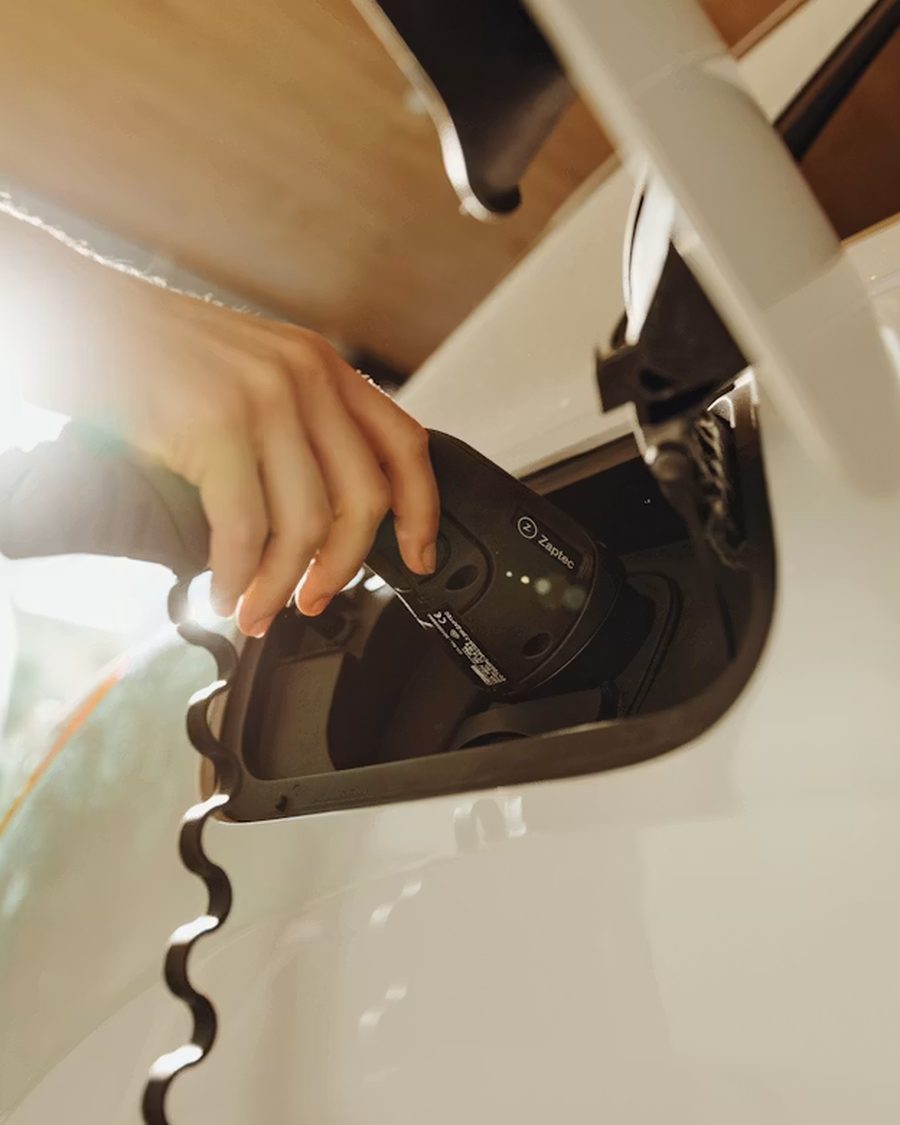
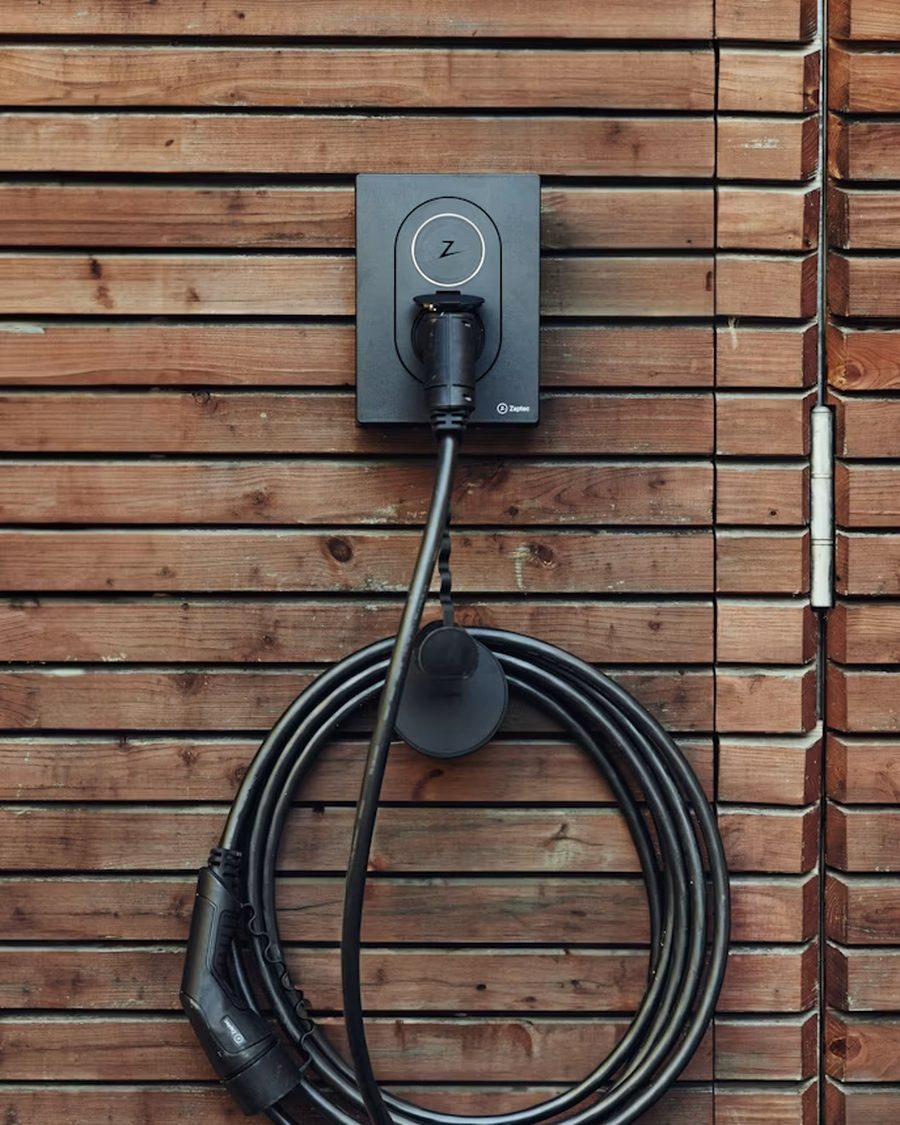

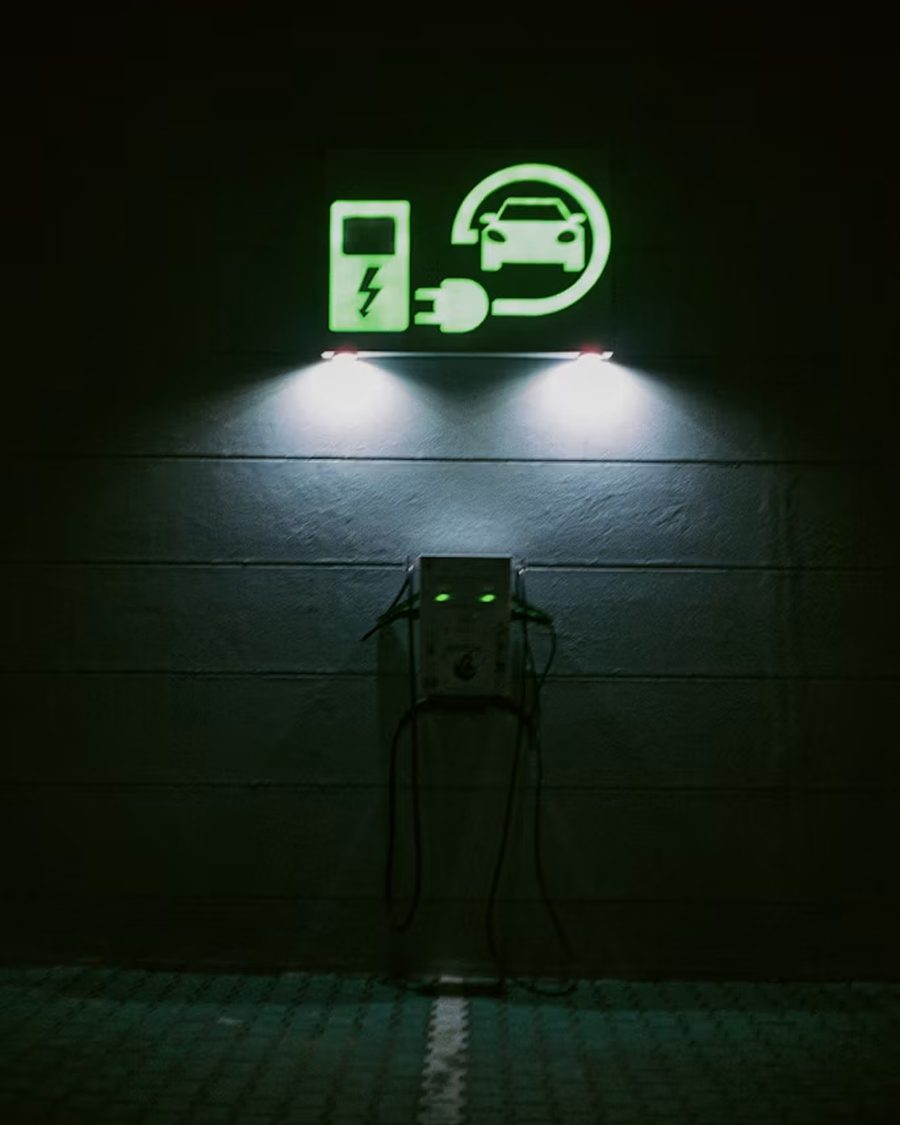
The problem
A standard 10A power point gives you about 10km of range per hour. Plug in at 6pm Friday and you might be ready for a Sunday drive. Maybe.
Proper EV charging needs a dedicated circuit and a proper unit. A 7kW single-phase charger pulls a full Model Y battery overnight. A 22kW three-phase charger does it in three or four hours. Both need a switchboard that can actually take the load, a cable run sized correctly for the distance, and a unit mounted where it makes sense — not where the cable happened to reach.
Most Perth homes were built before EVs were a thing. The board's set up for an old hot-water system, an electric oven, and a few power points. Adding a charger without checking capacity first is how you end up with a board that trips every time someone runs the dishwasher.
What's involved
Most home installs are a half-day job. We quote off your switchboard, your run distance, and the unit you want.
We look at the board, work out your spare capacity, and figure out the best cable route. Most jobs are obvious; some need a bit of thinking.
Single-phase 7kW or three-phase 22kW, brand of your choice (Tesla, Wallbox, Ocular, ABB). Fixed-price quote covering everything.
If the board can't take the load, we upgrade it first. We quote both as one job so you're not getting nickel-and-dimed.
Cable run from board to unit — through cavity, conduit on brickwork, or trench if you need it underground. Unit mounted where you actually want it.
Charger configured for your supply, RCD-protected, app paired if it's a smart unit. We test a charging cycle before we leave.
Electrical Safety Certificate handed over, Notice of Completion lodged with Building & Energy WA.
Signs you're due
If you've ticked any of these, talk to us early. Charger lead time and switchboard work go smoother with a few weeks' notice.
You're picking up a new EV in the next 3 months.
You've been trickle-charging off a power point and the cord is warm.
You want to charge overnight on off-peak rates.
You're getting solar and want the charger pulling from it during the day.
Switchboard's older than the EV market (so, basically any board).
You're renovating and the walls will be open anyway.
Two EVs in the household — you need a unit that handles load sharing.
Your real estate agent says a charger will add value to a sale.
Compliance & certification
All EV charger installs are carried out to AS/NZS 3000, the AS/NZS 3012 wiring rules for EV chargers, and Western Power requirements. Each charger gets its own dedicated circuit, RCD protection, and isolating switch.
On completion you get an Electrical Safety Certificate and a Notice of Completion lodged with Building & Energy WA via eNotice. Keep the certificate — manufacturers' warranties (and insurance claims) need it.
Dark Spark Electrical is licensed (EC15006) and carries active public liability insurance. We work with all the major chargers — Tesla, Wallbox, Ocular, ABB, EO, Zappi.
From quote to certificate
Phone call or quote form — we work out roughly what you've got and which charger suits. 10 minutes.
We come and check the board, your run distance, and where you want the unit. Fixed-price quote back within a day.
Switchboard work first if needed, then cable run and unit mount. Most jobs done in half a day.
Test charge, app paired, certificate emailed. You're charging that night.
EV charger installation FAQ
Most installs are a half-day. If the switchboard needs upgrading too, it's a full day. We give you exact timing in the quote.
Probably, if it's pre-2010 or already running close to capacity. We check on the site walk — if it's fine, we plug straight in. If not, we quote both as one job.
Most homes are on single-phase, so 7kW is the standard answer. Three-phase costs more but charges faster — worth it if you have two EVs or do high-km driving. We'll tell you straight whether your supply can take it.
Tesla Wall Connector if you're Tesla-loyal. Wallbox Pulsar, Ocular IQ, ABB Terra, or EO Mini if you want app control. Zappi if you want solar diversion. Happy to recommend based on what you actually need.
Technically yes, in an emergency. As a daily setup, no — it's slow, the cable gets warm, and the GPO wasn't designed for that draw. Get a proper charger.
Most wall units are removable — we can pull it out and install it at the new place. Usually cheaper than buying a new one.
While we're at it
Free quotes. Usually replied same day, Mon–Fri.